| 1.
|
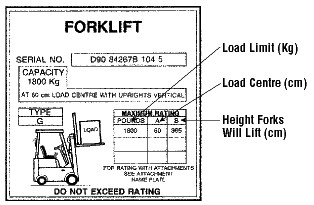
In order to solve an "Inch Pound
Equation", you must use information provided on a truck's data plate. |
 |
|
|
|
|
1) |
True |
|
2) |
False |
|
|
|
|
|
|
| 2.
|
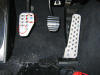
All industrial trucks (lift
trucks) are equipped with a clutch. |
 |
|
|
|
|
1) |
True |
|
2) |
False |
|
|
|
|
|
|
| 3.
|
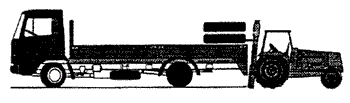
Before loading or unloading
a trailer at a loading dock, you should: |
 |
|
|
|
|
1) |
Inspect the floor of the trailer to ensure that it will support
the lift truck and the load. |
|
2) |
Chock the wheels of the trailer. |
|
3) |
Make sure that dock plates, boards, and ramps are in place and secure. |
|
4) |
All of the above. |
|
|
|
|
|
|
| 4.
|
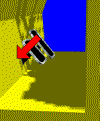
A brake pedal that sinks to
the floor under continued pressure is in good operating condition. |
 |
|
|
|
|
1) |
True |
|
2) |
False |
|
|
|
|
|
|
| 5.
|
The front wheels of a lift truck
serve as the ____________________ between the weight of the truck and
the weight of the load being carried. |
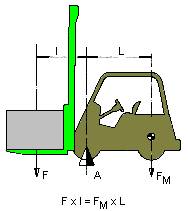 En position statique la machine est en équilibre.
F x I = FM L
|
|
|
|
|
1) |
Balance Point |
|
2) |
Fulcrum Point |
|
3) |
Center of Gravity |
|
4) |
Seesaw Center |
|
|
|
|
|
|
| 6.
|
The most important safety device
on your lift truck is __________ . |
 |
|
|
|
|
1) |
Horn |
|
2) |
Seat Belt |
|
3) |
Warning Light |
|
4) |
Backup Alarm |
|
5) |
You |
|
|
|
|
|
|
| 7.
|
It is safe to give someone a
ride on your lift truck. |
|
|
|
|
|
1) |
True |
|
2) |
False |
|
|
|
|
|
|
| 8.
|
Always check the air pressure
in tires from the side, not by facing the tread. |
|
|
|
|
|
1) |
True |
|
2) |
False |
|
|
|
|
|
|
| 9.
|
You can place your hands and
feet outside of the operator's compartment, as long as your head and
body are protected. |
|
|
|
|
|
1) |
True |
|
2) |
False |
|
|
|
|
|
|
| 10.
|
| What is wrong with this illustration? |
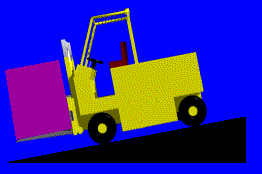 |
|
|
|
|
|
|
1) |
Driving in the wrong direction |
|
2) |
Load is too high |
|
3) |
Nothing |
|
|
|
|
|
|
| 11.
|
Which of the following should
NOT be allowed during the refueling or recharging process? |
|
|
|
|
|
1) |
Park your lift truck in a designated refueling / recharging area.
|
|
2) |
Do not block doorways or access to production or emergency equipment. |
|
3) |
Keep a flame burning nearby to burn off unwanted vapors or gases.
|
|
4) |
Check to see that there is a fire extinguisher nearby. |
|
|
|
|
|
|
| 12.
|
The load capacity of a truck
can be found on its data plate. |
|
|
|
|
|
1) |
True |
|
2) |
False |
|
|
|
|
|
|
| 13.
|
You can stand under the forks,
if the engine of the lift truck is turned off. |
|
|
|
|
|
1) |
True |
|
2) |
False |
|
|
|
|
|
|
| 14.
|
If your truck starts to tip
over: |
|
|
|
|
|
1) |
Don't jump. |
|
2) |
Stay in your seat. |
|
3) |
Grip the wheel securely. |
|
4) |
Brace yourself with your feet. |
|
5) |
All of the above |
|
|
|
|
|
|
| 15.
|
|
Rear wheel steering is used
on lift trucks because it gives the operator greater control when using
the forks.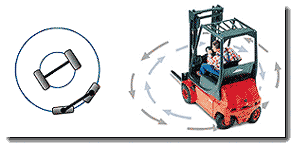 |
|
|
|
|
|
1) |
True |
|
2) |
False |
|
|
|
|
|
|
| 16.
|
| The gauge on the right is a/an: |
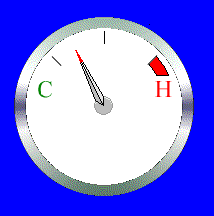 |
|
|
|
|
|
|
1) |
Gas Gauge |
|
2) |
Amperes Gauge |
|
3) |
Oil Gauge |
|
4) |
Total Hour Meter |
|
5) |
None of the above |
|
|
|
|
|
|
| 17.
|
When parking or leaving your
truck, you should: |
|
|
|
|
|
1) |
Park or leave your truck in a safe area away from traffic. |
|
2) |
Lower the forks until they are flat on the floor. |
|
3) |
Turn off the engine. |
|
d) |
Set the parking brake and set the directional control to neutral.
|
|
5) |
All of the above |
|
|
|
|
|
|
| 18.
|
Anyone who has a valid driver's
license can operate a lift truck. |
|
|
|
|
|
1) |
True |
|
2) |
False |
|
|
|
|
|
|
| 19.
|
You can drive a lift truck over
any type of surface. |
|
|
|
|
|
1) |
True |
|
2) |
False |
|
|
|
|
|
|
| 20.
|
The three major parts of a lift
truck are the body (truck), overhead guard, and hydraulic lift. |
|
|
|
|
|
1) |
True |
|
2) |
False |
|
|
|
|
|
|
| 21.
|
It is part of your job to complete
a Daily Operator's Report after you have thoroughly inspected your lift
truck. |
|
|
|
|
|
1) |
True |
|
2) |
False |
|
|
|
|
|
|
| 22.
|
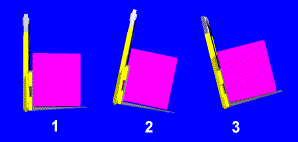
Of the three load positions illustrated above, which is most
stable?
|
|
|
|
|
|
1) |
1 |
|
2) |
2 |
|
3) |
3 |
|
|
|
|
|
|
| 23.
|
If the lift mechanism on your
lift fails, you should try to repair the chains or hydraulic system
yourself. |
|
|
|
|
|
1) |
True |
|
2) |
False |
|
|
|
|
|
|
| 24.
|
All industrial trucks (lift
trucks) are equipped with controls which allow you to raise / lower
and tilt the forks. |
|
|
|
|
|
1) |
True |
|
2) |
False |
|
|
|
|
|
|
| 25. |
Wide and long loads are more
unstable than other types of loads. |
|
|
|
|
|
1) |
True |
|
2) |
False |
|
|
|
|
|
|
| 26.
|
Which of the following is NOT
a type of lift truck? |
|
|
|
|
|
1) |
Gasoline Powered |
|
2) |
Diesel Powered |
|
3) |
Air-cooled Powered |
|
4) |
Electric Powered |
|
|
|
|
|
|
| 27.
|
Lift trucks use a hydraulic
cylinder attached to chains to raise and lower the forks. |
|
|
|
|
|
1) |
True |
|
2) |
False |
|
|
|
|
|
|
| 28.
|
When transporting a load, you
should not raise your load more than 8" from the ground. |
|
|
|
|
|
1) |
True |
|
2) |
False |
|
|
|
|
|
|

 Nous sommes le
Jeudi 8 Juin 2017 et il est 05:59:25
Nous sommes le
Jeudi 8 Juin 2017 et il est 05:59:25



 et aussi
 Version
original Anglais:
Version
original Anglais:




 Graphisme
Concept: Webmestre
Graphisme
Concept: Webmestre